niche perfumes
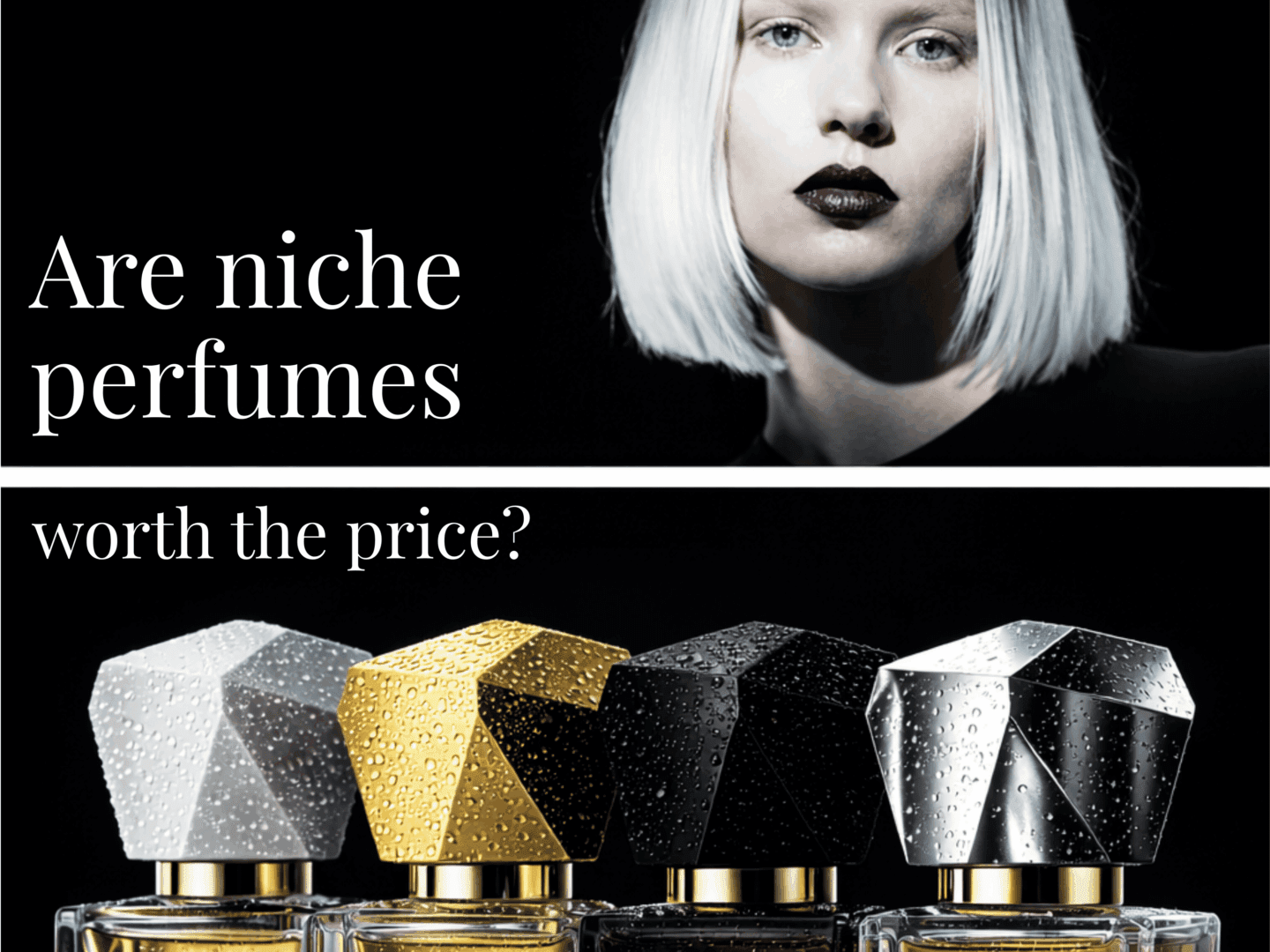
are niche perfumes worth the price?
Jan
One of the most debated questions among fragrance enthusiasts is whether niche perfumes are truly worth the price, and many people specifically ask are niche perfumes worth the price when comparing them to more accessible designer options. The difference in cost can be significant, yet the reasons behind this price gap extend far beyond branding. Understanding how niche perfumes are created, produced and experienced offers a clearer view of their value.
Are niche perfumes worth the price? This guide breaks down the real factors that influence the price of a niche fragrance and explains why so many people willingly invest in scents that feel more personal, expressive and enduring.
The cost of creative freedom
Niche perfumery begins with a concept rather than a market analysis. This means perfumers are not guided by focus groups or trend forecasts but by artistic intention. Creative freedom allows them to build daring structures, explore unconventional notes and design fragrances that express individuality rather than mass appeal.
This freedom, however, comes with a cost. Exploring small batch ingredients, working longer on a formula and refining a scent through multiple variations requires time, expertise and experimentation. These elements naturally contribute to a higher price, but they also create fragrances with personality and depth.
A niche perfume does not just fill a category. It tells a story.
High quality ingredients shape the final experience
Ingredients have a significant impact on cost. Many niche brands use materials that are rich, textured or rare. These include floral absolutes, natural resins, complex musks and beautifully crafted synthetics that elevate the composition.
Designer houses often work with more cost efficient structures to accommodate large scale production. Niche perfumers can select ingredients based on expressive potential rather than budget restrictions.
People often notice that niche perfumes feel more dimensional on the skin. This sensation comes from the quality and balance of the ingredients, which offer both richness and clarity as the scent evolves.
Small batch production increases precision
Producing perfume at a smaller scale allows for higher control over the formula, the maceration process and the final product. Niche houses can refine details that might be impossible in very large industrial productions.
This artisanal approach creates perfumes that feel curated and carefully structured. It also means that the cost of production is distributed over fewer units, contributing to the higher retail price.
When people say that a niche fragrance feels special or intentional, it is often the result of this precision in crafting.
Packaging reflects artistic rather than commercial priorities
Niche perfume bottles do not compete for attention through bold commercial designs. Their aesthetic is usually clean, architectural, symbolic or minimal. While the materials may be premium, the goal is not extravagance but coherence with the artistic concept.
The elegance of niche packaging often creates a tactile and visual experience that enhances the emotional connection with the fragrance. This experience becomes part of the value.
Marketing budgets differ dramatically
A major distinction between niche and designer perfumes is the allocation of money. Designer houses invest heavily in advertising campaigns, celebrity endorsements and global distribution. These costs influence the final price, even when the formula itself is relatively simple.
Niche brands invest far less in mass marketing and more in the perfume itself. When you buy a niche fragrance, more of the price reflects the ingredients, craftsmanship and creative direction rather than advertising.
Emotional value plays a central role
Beyond technical factors, niche fragrances offer something that many people are willing to pay for. A sense of identity. An emotional resonance. A scent that reflects their personality rather than a general trend.
Niche perfumes often explore more intimate themes such as resilience, transformation or introspection. When a fragrance speaks directly to the wearer, the value becomes emotional, not only functional. This is what creates loyalty among niche enthusiasts.
A modern illustration of value driven niche perfumery
The relationship between cost and experience can be seen clearly in fragrance houses that focus on meaning and craftsmanship. Solos Perfumes represents this approach through a collection of Italian made niche fragrances including Resilience, Perseverance, Audacity and Renaissance. Each scent is created with attention to emotional identity and dermatologically tested formulas that prioritise skin compatibility.
The compositions are distinctive, individualistic and wearable, reflecting the values that inspire them. This thoughtful balance of artistry and quality demonstrates why niche perfumes often justify their price for those who seek depth and intention in a fragrance.
Are niche perfumes worth it? The personal answer
The real value of a niche perfume depends on the wearer. If a fragrance makes you feel more confident, more expressive or more connected to yourself, the investment becomes meaningful. Many people discover that one memorable niche fragrance offers greater satisfaction than several mainstream scents that feel interchangeable.
A niche perfume is not simply bought for longevity or concentration. It is chosen for its ability to reflect personal style, emotion and identity.
A final perspective
Niche perfumes can be more expensive, but the price reflects a combination of creative freedom, ingredient quality, craftsmanship, small batch production and emotional resonance. Whether they are worth the investment depends on how much value the wearer places on artistry and personal expression.
For many fragrance lovers, the answer is clear. A fragrance that feels uniquely yours is worth far more than its price tag.