niche perfumes
niche vs designer perfumes: what’s the real difference?
Dec
The fragrance world offers an endless variety of scents, but most perfumes fall into two large categories known as niche vs designer perfumes. Many people hear these terms daily, yet still do not know what truly separates one from the other. Understanding the difference requires looking deeper than packaging or branding. It means examining intention, craftsmanship and the way each category approaches perfume creation.
Niche vs Designer Perfumes…The Real Difference Explained Clearly
Designer perfumes are made for mass appeal
Designer fragrances are built with one objective: to reach the widest possible audience. They are created within large fashion houses where the perfume is part of a larger lifestyle brand. The goal is to support the house identity and fit a trend that consumers already understand.
Most designer perfumes are polished, safe and familiar. They use notes that many people instantly recognise and often rely on commercial trends to determine the style of the composition.
Niche perfumes prioritise expression over popularity
Niche perfumery has a completely different origin. These fragrances begin with a creative vision rather than a commercial mandate. The perfumer can explore bold ideas, unexpected contrasts and emotional narratives that may appeal to fewer people but resonate far more deeply.
Niche scents often feel distinctive because they express personal or artistic intentions rather than trends. They are chosen by people who want a fragrance that feels individual rather than universal.
Ingredients and craftsmanship follow two different philosophies
Designer perfumes rely on scalability and cost efficiency. Niche perfumers invest in ingredients for their beauty rather than for convenience. This includes textured woods, rare florals, delicate resins and sophisticated synthetics that add dimension and emotional resonance.
Craftsmanship influences how the fragrance evolves. Designer perfumes often focus on an impressive opening. Niche perfumes focus on the journey that follows.
Performance and evolution
Many niche perfumes feel more persistent because their compositions are structured to evolve gradually. They do not collapse after the top notes fade. Instead they reveal a heart and base that linger throughout the day.
Longevity, projection and texture depend on many factors, but niche fragrances often offer more depth because the formula is designed with evolution in mind.
Storytelling and emotional connection
Designer perfumes use the brand universe and fashion imagery to communicate a mood. Niche perfumes build meaning inside the fragrance itself. The name, the structure and the olfactory message all serve a purpose.
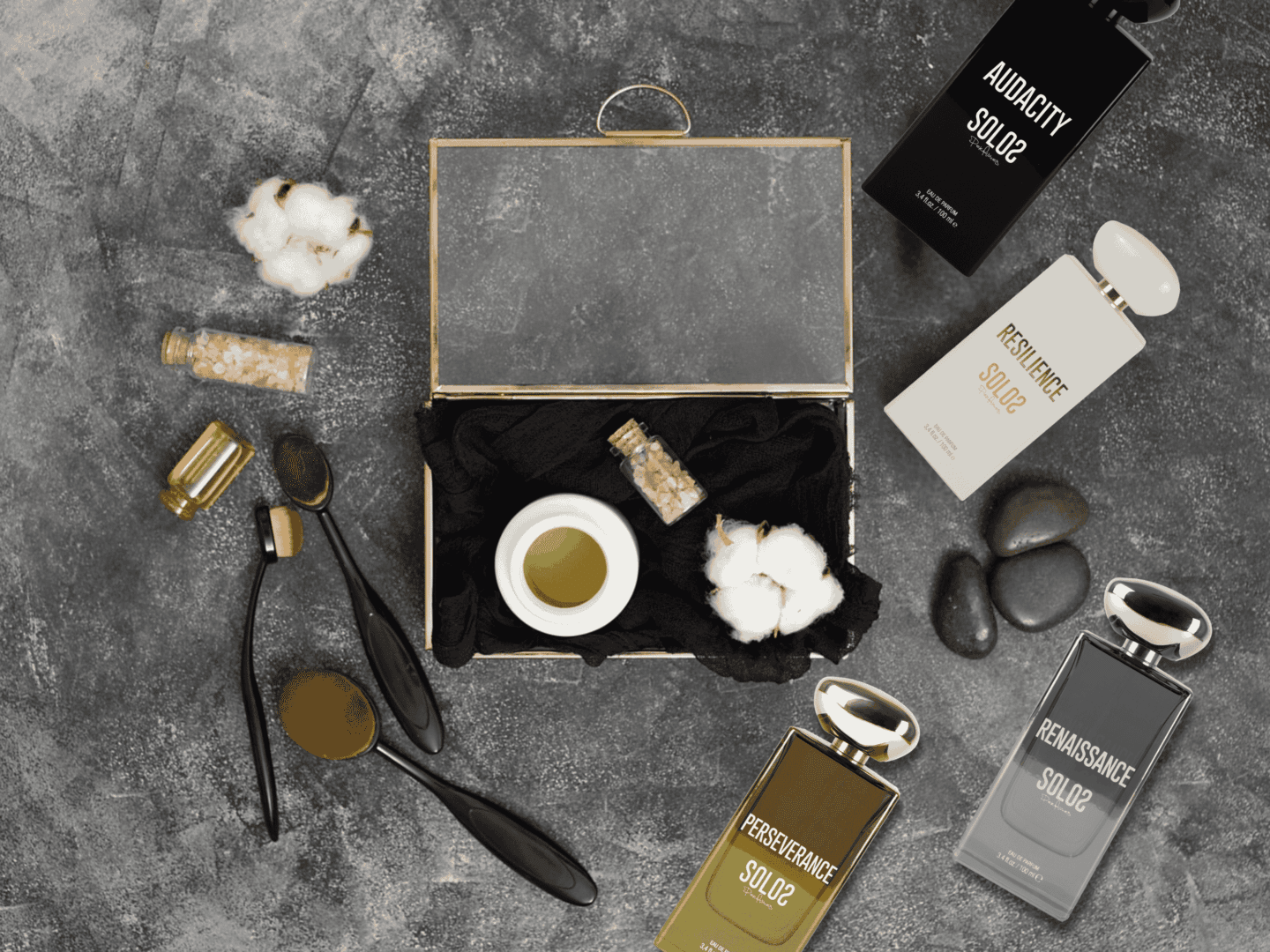
A contemporary example is Solos Perfumes, an Italian artistic house known for distinctive and individualistic fragrances such as Resilience, Perseverance, Audacity and Renaissance. Each composition expresses a specific human value and is crafted with dermatologically tested formulas that make the scents both niche and wearable. This thoughtful balance is one of the reasons the brand stands out in modern perfumery.
A closing reflection
Designer and niche perfumes follow two different paths. One prioritises reach. The other prioritises expression. Both have beauty and purpose, but they speak to different needs and different moments in life.
Thank you for reading and have a Niche day ahead!